Of course. Here is a comprehensive overview of the differences between Chinese and Western family education, presented in English with key vocabulary and concepts.
An Overview of Key Differences in Chinese and Western Family Education
Family education is the cornerstone of a child's development, shaping their values, beliefs, and future. The educational philosophies and practices in China and the West are rooted in vastly different cultural, historical, and social contexts, leading to distinct approaches. Understanding these differences provides valuable insight into the development of children in both worlds.
Here are the primary areas of contrast:
Core Educational Philosophy & Goals
-
Chinese Education:
- Focus: Academic excellence and future success. The primary goal is to equip the child with the knowledge and skills necessary to pass examinations, secure a good job, and achieve social mobility. Education is seen as a direct path to a better life and a way to honor the family.
- Philosophy: Rooted in Confucianism, which emphasizes respect for authority, filial piety (respect for one's parents and elders), and the importance of hard work and perseverance. The family unit is paramount, and the child's success is a reflection of the parents' efforts.
-
Western Education (Generalizing a broad Western trend):
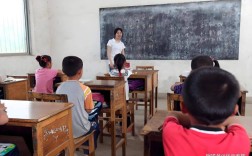
 (图片来源网络,侵删)
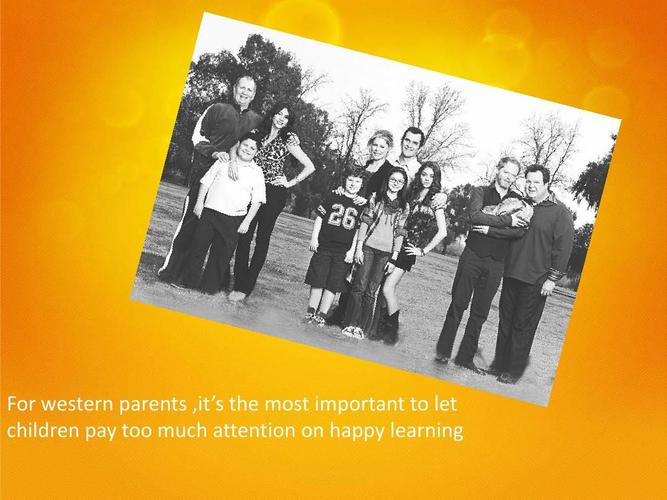
- Focus: Holistic development and individual happiness. The goal is to nurture a well-rounded individual who is intellectually curious, emotionally intelligent, socially capable, and confident. Success is often defined more broadly than just academic achievement.
- Philosophy: Influenced by Enlightenment ideals of individualism, critical thinking, and self-expression. The focus is on developing the child's unique talents and personality, encouraging them to question and explore the world independently.
Parent-Child Relationship Dynamics
-
Chinese Education:
- Hierarchy: The relationship is typically hierarchical and authoritative. Parents are seen as the ultimate authority figures whose role is to instruct and guide. Obedience is highly valued.
- Communication: Communication is often top-down, with parents giving instructions and children expected to listen and comply. Open dialogue about feelings or questioning parents is less common.
- Love Expression: Love is often demonstrated through actions, such as providing for the child's material needs and investing heavily in their education, rather than through verbal affection.
-
Western Education:
- Partnership: The relationship is more egalitarian, resembling a partnership. Parents act as guides and facilitators rather than dictators. The child's opinion is respected, and negotiation is common.
- Communication: Open communication is encouraged. Parents and children are expected to talk about their feelings, thoughts, and problems, fostering a sense of trust and mutual respect.
- Love Expression: Verbal affirmation and physical affection (hugs, praise) are common ways to express love and build a child's self-esteem.
Academic Focus & Pressure
-
Chinese Education:
- High-Stakes Testing: The system is heavily centered on standardized examinations, most notably the Gaokao (National College Entrance Examination). This creates immense academic pressure from a young age.
- Rigorous Curriculum: The curriculum is often extensive and demanding, with a strong emphasis on core subjects like Math, Science, and Chinese.
- Tutoring & Extra Classes: "Cram schools" and private tutoring are ubiquitous supplements to the regular school day, seen as essential for staying ahead.
-
Western Education:
 (图片来源网络,侵删)
- Diverse Assessment: While tests exist, assessment is more diverse, including projects, presentations, essays, and class participation. The focus is on understanding and application, not just rote memorization for a single exam.
- Balanced Curriculum: There is a greater emphasis on a balanced education, including arts, sports, music, and social activities, which are valued as much as academic subjects.
- Learning for Interest: While academic success is important, there is generally more emphasis on cultivating a child's innate interests and passions.
Independence vs. Interdependence
-
Chinese Education:
- Interdependence: The family is a tight-knit unit where individual needs are often secondary to the collective good of the family. Children are expected to contribute to the family's honor and well-being.
- Parental Involvement: Parents are highly involved in nearly every aspect of their child's life, from choosing their friends and schools to managing their schedules well into adulthood.
-
Western Education:
- Independence: Children are raised to be self-reliant individuals from a young age. They are encouraged to make their own decisions, solve their own problems, and take responsibility for their actions.
- Encouraging Autonomy: Parents often encourage their children to have part-time jobs, manage their own finances, and move out to live independently after reaching adulthood.
Handling Failure and Success
-
Chinese Education:
- Success: High academic achievement is a source of immense pride for the entire family. It is often publicly celebrated.
- Failure: Failure, especially in exams, is a source of great shame and disappointment. It can be seen as a reflection of the child's lack of effort and the parents' failure. This can create a fear of failure.
-
Western Education:
- Success: Success is celebrated, but it is often seen as a result of effort and resilience rather than just innate talent.
- Failure: Failure is often framed as a valuable learning opportunity. The common saying "Fail, fail again, fail better" reflects the belief that mistakes are a natural part of growth and should not be feared.
Summary Table
| Aspect | Chinese Family Education | Western Family Education |
|---|---|---|
| Core Goal | Academic excellence, social mobility, family honor. | Holistic development, individual happiness, self-fulfillment. |
| Philosophy | Confucianism (collectivism, respect for authority). | Individualism, critical thinking, self-expression. |
| Parent Role | Authoritative instructor, decision-maker. | Guide, facilitator, partner. |
| Child's Role | Obedient student, contributor to family. | Independent individual, decision-maker. |
| Academic Focus | High-stakes testing, rote memorization, core subjects. | Diverse assessment, critical thinking, balanced curriculum. |
| Key Value | Interdependence, filial piety, hard work. | Independence, self-reliance, open communication. |
| View of Failure | Source of shame and disappointment. | Valuable learning opportunity and a chance to grow. |
Conclusion
It is crucial to remember that these are broad generalizations. Both systems have their strengths and weaknesses. The Chinese model produces students with strong foundational knowledge and a strong work ethic. The Western model fosters creativity, confidence, and independent thinking.
In an increasingly globalized world, many parents and educators are adopting a hybrid approach, seeking to blend the best of both worlds to prepare children for the challenges of the 21st century.